Seychelles' Education Sector: Current Reforms and Long-Term Goals
Seychelles, an archipelago consistently in the Indian Ocean, has been one of the top performers in Africa in terms of social indicators, including education. With a population of around 100,000 people, the country's education system has played a critical role in fostering national development and improving the standard of living. The education sector in Seychelles is undergoing significant reforms aimed at addressing existing challenges while focusing on long-term sustainability. This article provides an in-depth look at the current reforms, challenges, and long-term goals of Seychelles ' education sector.
Overview of the Seychelles Education System
Historical Background
Seychelles' modern education system traces its roots to the post-colonial era. Upon gaining independence from Britain in 1976, the government recognized education as a cornerstone for nation-building and development. A strong emphasis was placed on creating a free and compulsory education system to provide equal opportunities for all. In 1981, education became compulsory for children aged 6 to 16, which led to substantial improvements in literacy rates and overall human development.
Current Structure
The education system in Seychelles follows a K-12 structure, consisting of three main stages:
- Pre-primary (2 years) : Designed for children aged 3 to 5.
- Primary (6 years) : For students aged 6 to 12, focusing on foundational education.
- Secondary (5 years) : For students aged 12 to 16, providing both general and technical education pathways.
After secondary education, students can either proceed to higher education at institutions like the University of Seychelles or pursue vocational and technical training. Additionally, Seychelles boasts a high adult literacy rate, which hovers around 95%, placing it among the highest in Africa.
However, despite the successes in access and literacy, the quality of education, teacher retention, and equity issues have emerged as areas requiring urgent reforms.

Key Reforms in Seychelles' Education Sector
Seychelles has implemented several critical reforms to address ongoing challenges and prepare the education system for the future. Below are the main reforms:
1. Curriculum Revisions and Updates
One of the key reforms in Seychelles' education sector is the continuous updating and revision of the national curriculum. The Seychelles Institute of Education (SIE) and the Ministry of Education have undertaken a comprehensive review of the existing curriculum, with a focus on making it more relevant to the 21st-century learner. The aim is to move beyond rote learning and emphasize critical thinking, creativity, problem-solving, and digital literacy.
Key Changes in the Curriculum:
- Integration of ICT (Information and Communication Technology) : The new curriculum places a strong emphasis on ICT, aiming to equip students with digital skills necessary for global competitiveness. This includes coding, digital communication, and the responsible use of online resources.
- STEAM Education : Science, Technology, Engineering, Arts, and Mathematics (STEAM) are being promoted to foster innovation and creativity among students.
- Focus on Environmental Education : Given the country's fragile ecosystems, environmental education is a priority. Students learn about conservation, climate change, and sustainable practices from a young age.
2. Inclusive Education and Special Needs Provision
Inclusive education is another focal point of current reforms. The government has adopted policies to ensure that children with disabilities and special needs are integrated into mainstream schools. The Ministry of Education has partnered with international organizations like UNESCO to implement inclusive education policies, train teachers, and provide resources for children with diverse learning needs.
Initiatives for Special Needs Education:
- Teacher Training for Special Needs : Special training programs for teachers are underway to help them better accommodate students with disabilities.
- Accessible Infrastructure : Schools are being modified to improve physical accessibility, with ramps, specialized classrooms, and learning materials.
- Support Staff : The introduction of more specialized support staff, such as speech therapists and educational psychologists, is also part of this initiative.

3.Teacher Training and Professional Development
Seychelles is grappling with issues related to teacher shortages and the need for highly skilled educators. This shortage is particularly acute in science, mathematics, and technical subjects. To address this, the government is prioritizing the recruitment and retention of quality teachers by enhancing teacher training programs, increasing salaries, and providing better working conditions.
Key Strategies:
- Continued Professional Development (CPD) : The Seychelles Institute of Teacher Education (SITE) provides ongoing professional development for educators, focusing on modern teaching methodologies, classroom management, and subject expertise.
- Teacher Recruitment : Initiatives to attract local and international teachers, particularly in areas where there are significant shortages, have been launched. The government offers scholarships for Seychellois students interested in pursuing education degrees abroad.
- Improved Compensation : Teacher salaries are being reviewed and increased as part of efforts to retain skilled professionals in the field.
4. Early Childhood Development (ECD)
Research has shown that early childhood education has long-term positive impacts on students' academic performance and overall development. Seychelles is increasingly focusing on enhancing its early childhood development programs. The Early Childhood Care and Education (ECCE) framework was introduced to ensure that all children have access to quality early learning experiences.
Key Components:
- Holistic Development : The ECD curriculum is designed to promote the cognitive, emotional, and physical development of children.
- Parental Involvement : There is a concerted effort to involve parents in their children's early learning process.
- Expansion of ECD Centers : More early childhood centers are being built to accommodate the growing demand for pre-primary education.
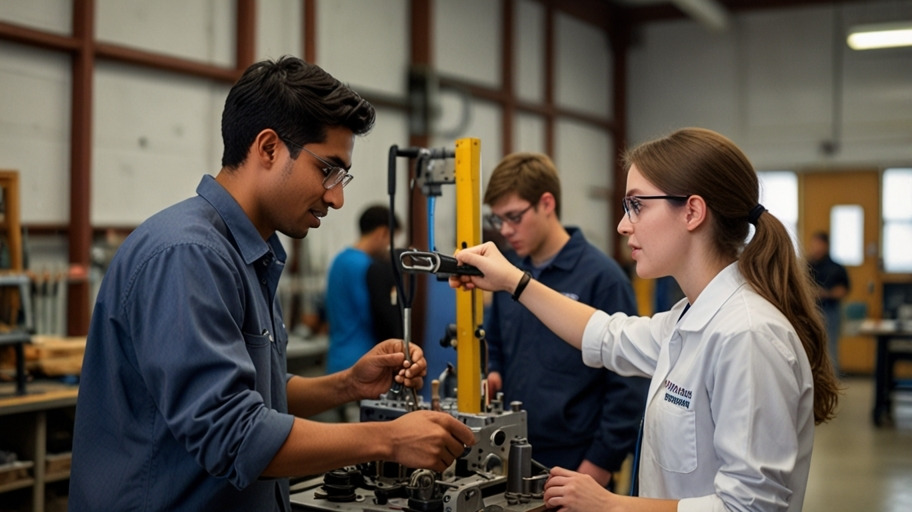
5. Technical and Vocational Education and Training (TVET)
The Seychelles government has recognized the importance of providing a pathway for students who may not pursue traditional academic routes. To meet the demand for skilled labor and to support economic diversification, reforms have been implemented in the area of technical and vocational education and training (TVET).
Focus Areas:
- Partnerships with Industry : The government is working closely with industries to align TVET programs with labor market needs.
- Apprenticeship Programs : Students are provided with opportunities to gain hands-on experience through apprenticeships and internships with local businesses.
- Upgraded TVET Institutions : Institutions such as the Seychelles Institute of Technology (SIT) are being modernized to provide high-quality training in various trades, including construction, hospitality, and maritime industries.
6. Education Funding and Investment
While Seychelles offers free education up to the secondary level, the cost of higher education is a concern for many families. The government has been increasing its investment in the education sector to address financial constraints faced by students and institutions.
Key Measures:
- Student Loans and Scholarships : The government offers scholarships for students excelling academically and also provides low-interest loans to support students pursuing higher education both locally and abroad.
- Increased Budget Allocation : The government has increased its education budget to improve infrastructure, hire more teachers, and upgrade learning materials and facilities.
- Public-Private Partnerships (PPP) : The Ministry of Education has been encouraging private sector involvement in education through partnerships, sponsorships, and investments in school infrastructure and vocational training programs.
Challenges Facing the Seychelles Education Sector
Despite these reforms, Seychelles faces several challenges in its education sector:
1. Teacher Retention and Shortages
As mentioned earlier, teacher shortages in key subject areas like science, technology, and mathematics remain a significant challenge. While the government is taking steps to address this issue, the high turnover of teachers due to low wages and difficult working conditions continues to affect the quality of education.
2. Quality of Education
Although Seychelles has achieved high literacy rates, concerns remain about the overall quality of education. International assessments show that Seychelois students perform below international averages, particularly in STEM (science, technology, engineering, and mathematics) subjects. This indicates that while access to education is widespread, there is room for improvement in the depth and quality of learning.
3. Infrastructure and Resources
Many schools, especially in rural areas, suffer from inadequate infrastructure and outdated resources. This includes overcrowded classrooms, lack of modern laboratories, and insufficient ICT resources. The government is addressing these issues through increased investment, but progress has been slow due to budget constraints .
4. Equity Issues
Despite efforts to make education accessible for all, disparities still exist, especially between urban and rural areas, and among students with different socioeconomic backgrounds. The gap in learning outcomes between students in the capital, Victoria, and those in more remote islands is a persistent issue.
Long-Term Goals of Seychelles' Education Sector
Seychelles' long-term goals in the education sector are closely aligned with its national development vision, which emphasizes sustainable development, human capital growth, and global competitiveness. Below are some of the key long-term goals:
1. Global Competitiveness
Seychelles aims to develop an education system that prepares students for the global economy. This includes further integration of ICT in classrooms, enhancing English proficiency, and promoting science, technology, engineering, arts, and mathematics (STEAM) subjects. The objective is to produce graduates who can compete in an increasingly digital and knowledge-driven world.
2. Sustainable Development and Environmental Education
Seychelles has positioned itself as a global leader in environmental conservation. One of its long-term education goals is to deepen students' understanding of sustainability and environmental issues. This includes incorporating climate change education into the curriculum and promoting careers in green industries.
3. Expanding Higher Education Opportunities
The government is working to expand local higher education opportunities, particularly through the University of Seychelles. By investing in local higher education institutions and fostering collaborations with international universities, Seychelles hopes to reduce its reliance on foreign education and create a knowledge-based economy.
4. Enhancing Equity and Inclusion
Ensuring that all Seychellois children have access to quality education, regardless of their location or socioeconomic background, is a critical long-term goal. This includes continued investment in rural education, special needs programs, and early childhood education.
5. Strengthening Vocational and Technical Education
The government seeks to strengthen the TVET sector to ensure that Seychelles has a skilled workforce capable of driving economic diversification. This aligns with its vision of reducing dependency on tourism and developing other sectors such as agriculture, fishing, and manufacturing.
Conclusion
Seychelles' education sector is at a pivotal juncture. The ongoing reforms reflect the government's commitment to addressing the existing challenges while preparing the country for future opportunities and threats. However, sustained investment, continued policy innovation, and public-private partnerships will be crucial in Achieving long-term goals such as global competitiveness, equity, and sustainable development. While the path ahead may be fraught with challenges, Seychelles' dedication to improving education will undoubtedly play a central role in the nation's continued progress.