Seychelles' Response to the Global Climate Crisis: Leadership in the Indian Ocean Region
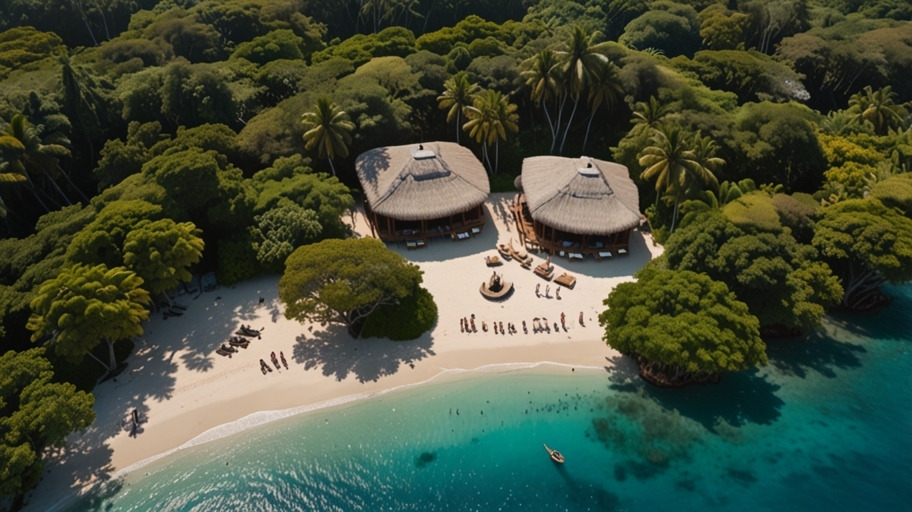
Seychelles, a small island nation in the Indian Ocean, is often regarded as a paradise with its pristine beaches, lush rainforests, and vibrant marine life. However, this island paradise faces an existential threat from climate change. Rising sea levels, extreme weather events , and marine degradation are threatening the nation's very survival. Despite its small size and limited contribution to global carbon emissions, Seychelles has emerged as a global leader in the fight against climate change. This article explores Seychelles' proactive response to the climate crisis, its role in regional leadership within the Indian Ocean, and the innovative solutions it has implemented to safeguard its future and that of the planet.
Seychelles: A Vulnerable Nation on the Frontline
Seychelles is composed of 115 islands, scattered across the western Indian Ocean. These islands, particularly the low-lying coral atolls, are especially vulnerable to rising sea levels. The Intergovernmental Panel on Climate Change (IPCC) has identified small island developing states (SIDS ) like Seychelles as being among the most at risk from the impacts of climate change. The nation's economy is heavily dependent on tourism and fisheries, two sectors that are highly susceptible to environmental changes.
The threats facing Seychelles are manifold. Sea-level rise is eroding its coastlines, damaging infrastructure, and displacing communities. Coral reefs, which not only support marine biodiversity but also protect shorelines from storm surges, are experiencing bleaching due to warming ocean temperatures. , extreme weather events such as cyclones and flooding are becoming more frequent and severe, exacerbating the country's vulnerability.
Despite these challenges, Seychelles has shown remarkable resilience and leadership in addressing the global climate crisis. The country's efforts go beyond national borders, as it takes a leading role in the Indian Ocean region's climate diplomacy, marine conservation, and sustainable development initiatives.
Seychelles' Climate Leadership: International Advocacy and Commitments
Seychelles has been a vocal advocate for climate action on the international stage. Recognizing that small nations can have a significant impact through diplomacy and advocacy, Seychelles has consistently championed the interests of SIDS in global climate negotiations. Its leadership has been evident in international forums such as the United Nations Framework Convention on Climate Change (UNFCCC) and the Paris Agreement.
Advocacy for Small Island States
Seychelles has played a key role in advocating for the unique challenges faced by small island developing states. The Alliance of Small Island States (AOSIS), of which Seychelles is a member, has been instrumental in pushing for ambitious global climate targets. Seychelles has repeatedly called for stronger international commitments to limit global warming to 1.5°C above pre-industrial levels, emphasizing that anything beyond this threshold would be catastrophic for SIDS.
At the 2015 Paris Climate Conference (COP21), Seychelles was a strong advocate for the inclusion of the 1.5°C target in the Paris Agreement. The country's then-President, James Michel, described the agreement as a "historic victory" for small island states. Seychelles also emphasized the importance of adaptation funding and access to climate finance for vulnerable nations, ensuring that SIDS can build resilience against the impacts of climate change.
Leading by Example: Ambitious National Commitments
While advocating for international climate action, Seychelles has also set ambitious targets at home. In 2015, the country submitted its Intended Nationally Determined Contribution (INDC) under the Paris Agreement, committing to reducing its greenhouse gas emissions by 24% by 2030 compared to a business-as-usual scenario. Seychelles' Nationally Determined Contribution (NDC) focuses on renewable energy, energy efficiency, and forest conservation as key strategies for emissions reduction.
Seychelles is striving to increase the share of renewable energy in its energy mix. Currently, the country is heavily reliant on imported fossil fuels, particularly for electricity generation. However, it has set a target of producing 15% of its electricity from renewable sources by 2030. Solar energy, in particular, holds significant potential in Seychelles, given its abundant sunshine throughout the year. In recent years, the government has encouraged the adoption of solar panels by households and businesses, providing incentives such as feed-in tariffs and tax exemptions.
In addition to emissions reduction, Seychelles has placed a strong emphasis on adaptation measures. The country's National Adaptation Plan (NAP) outlines strategies to address the risks posed by climate change to key sectors such as agriculture, fisheries, water resources, and infrastructure. Coastal protection, in particular, is a top priority. Seychelles has implemented projects such as the construction of sea walls, beach nourishment, and mangrove restoration to protect its coastlines from erosion and storm surges.
Marine Conservation and the Blue Economy
One of the most innovative aspects of Seychelles' response to the climate crisis is its focus on marine conservation and the development of a sustainable "blue economy." Seychelles' vast Exclusive Economic Zone (EEZ), covering over 1.3 million square kilometers, is a critical asset for the nation. The ocean provides food, livelihoods, and ecosystem services that are vital to the country's well-being. However, the ocean is also under threat from overfishing, pollution, and climate change.
The Seychelles Marine Spatial Plan
In response to these challenges, Seychelles has embarked on an ambitious marine conservation initiative known as the Seychelles Marine Spatial Plan (MSP). Launched in 2014, the MSP aims to sustainably manage the country's marine resources by designating specific areas for conservation, fishing, tourism By 2020, Seychelles had already achieved a significant milestone by designating 30% of its EEZ, approximately 410,000 square kilometers, as protected areas. This was one of the largest marine protection commitments in the world.
The MSP is based on a science-driven approach that balances conservation with economic development. It takes into account the needs of local communities, the fishing industry, and tourism operators while ensuring the protection of biodiversity and ecosystems. By establishing no-take zones and sustainable-use areas, Seychelles is not only safeguarding its marine environment but also building resilience to the impacts of climate change, such as ocean acidification and coral bleaching.
The World's First Sovereign Blue Bond
In 2018, Seychelles made history by launching the world's first sovereign blue bond, a pioneering financial instrument designed to support sustainable marine and fisheries projects. The blue bond, valued at $15 million, was backed by the World Bank and the Global Environment Facility. funds raised through the bond are being used to finance initiatives such as fisheries management plans, sustainable aquaculture, and marine protected areas.
The blue bond is part of Seychelles' broader strategy to transition to a blue economy, which aims to harness the economic potential of the ocean while preserving its ecological integrity. By promoting sustainable practices in sectors such as fisheries, tourism, and maritime transport, Seychelles is demonstrating that economic growth and environmental conservation can go hand in hand.
Coral Reef Restoration
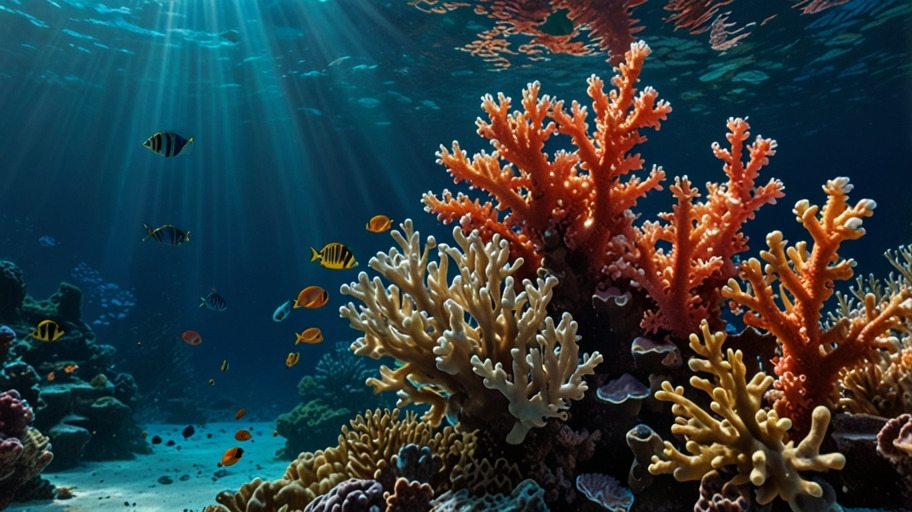
Coral reefs are a vital component of Seychelles' marine ecosystem, supporting biodiversity, tourism, and fisheries. However, coral reefs around the world are under threat from rising sea temperatures, which cause coral bleaching. Seychelles has been at the forefront of coral reef restoration using innovative techniques to restore damaged reefs.
One project is the Seychelles Coral Reef Restoration Project, launched in the wake of the 1998 global coral bleaching event that devastated many of the country's reefs. The project involves growing coral fragments in underwater nurseries and then transplanting them onto damaged reefs. This technique, known as "coral gardening," has shown promising results in restoring reef health and increasing resilience to future bleaching events.
Seychelles' Regional Leadership in the Indian Ocean
Seychelles' response to the climate crisis is not limited to its national borders. The country has emerged as a leader in the Indian Ocean region, advocating for cooperation regional and collective action on climate change. Its strategic location and its role as a champion of small island states have enabled it to play a pivotal role in regional climate diplomacy.
The Indian Ocean Commission (IOC)
Seychelles is a founding member of the Indian Ocean Commission (IOC), an intergovernmental organization that promotes cooperation among the islands of the western Indian Ocean. Climate change has become a central focus of the IOC's agenda, with Seychelles leading efforts to address the region's vulnerability to rising sea levels, extreme weather events, and marine degradation.
Under Seychelles' leadership, the IOC has launched several initiatives aimed at building resilience to climate change. One such initiative is the "Islands Initiative for Climate Action," which brings together island nations in the Indian Ocean to share knowledge, build capacity, and develop joint strategies for climate adaptation and mitigation. The initiative focuses on areas such as coastal protection, disaster risk reduction, and renewable energy.
The Blue Economy and Regional Cooperation
Seychelles' vision for a sustainable blue economy has also gained traction in the Indian Ocean region. The country has been instrumental in promoting the blue economy as a framework for regional cooperation on ocean governance, marine conservation, and sustainable development. In 2015, Seychelles hosted the first-ever "Blue Economy Summit" in partnership with the United Arab Emirates. The summit brought together leaders from across the Indian Ocean and beyond to discuss ways to harness the economic potential of the ocean while protecting its ecosystems.
Seychelles has continued to advocate for regional collaboration on the blue economy through platforms such as the Indian Ocean Rim Association (IORA), a regional organization that promotes economic and environmental cooperation among Indian Ocean states. By sharing its expertise and best practices in marine conservation and sustainable fisheries, Seychelles is helping to shape a regional agenda that prioritizes ocean health and resilience to climate change.
Challenges and the Path Forward
Despite its leadership and proactive measures, Seychelles faces significant challenges in its fight against climate change. The country is dependent on international climate finance to fund its adaptation and mitigation efforts. While initiatives such as the blue bond have demonstrated the potential for innovative financing, Seychelles needs sustained support from the global community to achieve its climate goals.
Moreover, the scale of the climate crisis requires concerted global action. Seychelles, like other small island nations, contributes only a tiny fraction of global greenhouse gas emissions, yet it bears a disproportionate burden of climate impacts. The country has consistently called for stronger commitments from major emitters, urging them to reduce their carbon footprints and provide financial assistance to vulnerable nations.
Conclusion
Seychelles' response to the global climate crisis is a legacy to its resilience, innovation, and leadership. As a small island nation on the frontlines of climate change, Seychelles has not only implemented ambitious national policies but has also taken a leading role in regional and international climate diplomacy. Its efforts to promote marine conservation, develop a sustainable blue economy, and advocate for the interests of small island states have made it a global leader in the fight against climate change.
As the world grapples with the escalating climate crisis, Seychelles' experience offers valuable lessons in how small nations can drive meaningful change. By prioritizing sustainability, resilience, and regional cooperation, Seychelles is demonstrating that even the most vulnerable nations can be leaders in the global effort to combat climate change.