Seychelles' Fisheries Industry: Balancing Economic Growth and Environmental Protection
The Seychelles, a tropical archipelago located in the Indian Ocean, is known for its pristine beaches, crystal-clear waters, and unique biodiversity. However, beyond its allure as a travel destination, Seychelles has a thriving economy that depends heavily on the fisheries industry The fisheries sector is a vital pillar of the country's economy, providing employment, food security, and a significant contribution to its Gross Domestic Product (GDP). Despite these benefits, the fisheries industry faces numerous challenges, especially in balancing economic growth with environmental protection This article explores the multifaceted role of fisheries in Seychelles' economy, the environmental challenges it faces, and the efforts being made to ensure sustainability.
Economic Significance of the Fisheries Industry
Fisheries play a critical role in the Seychelles economy, contributing around 20% of the country's GDP and accounting for over 90% of its exports. The archipelago's exclusive economic zone (EEZ), which spans over 1.3 million square kilometers, is rich in marine resources , making Seychelles one of the most significant fishing nations in the Indian Ocean.
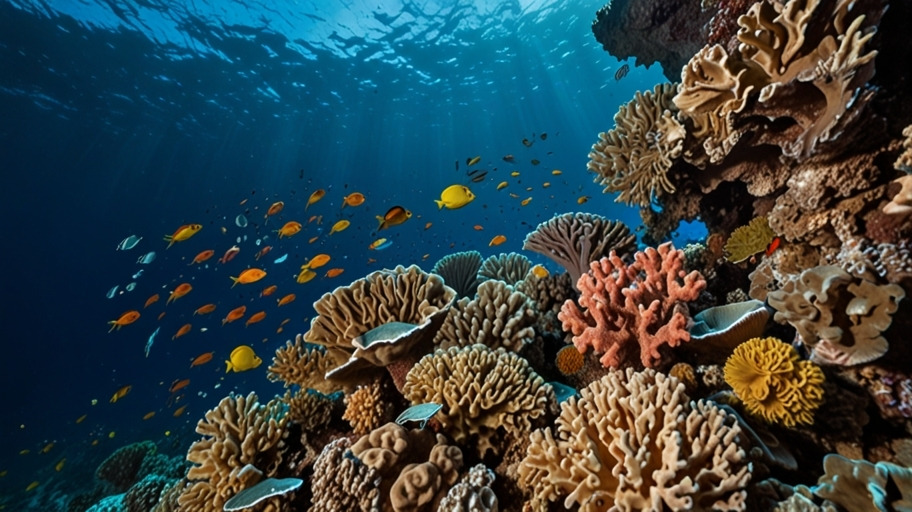
Seychelles' fisheries can be broadly classified into two sectors: industrial and artisanal.
Industrial Fisheries
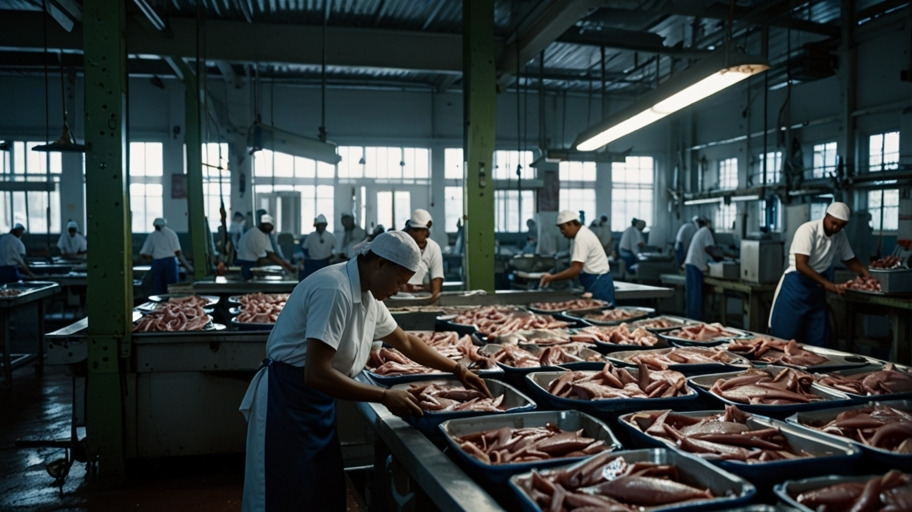
The industrial fisheries sector is dominated by tuna fishing, which is the backbone of the country's fishing industry. The tuna caught in Seychelles' waters is highly sought after by European and Asian markets, making it the largest export product for the country. Major international fishing fleets, including Spanish, French, and Japanese vessels, operate within Seychelles' EEZ. These fleets primarily target skipjack, yellowfin, and bigeye tuna. The fish are processed locally at the Indian Ocean Tuna (IOT) canning factory in Victoria, which is one of the largest tuna canning facilities globally and employs a substantial portion of the local workforce.
Tuna fishing also generates significant revenue for the government through licensing fees and partnerships with foreign fleets. The Seychelles Fishing Authority (SFA) regulates fishing activities within the EEZ, issuing licenses, monitoring compliance, and enforcing fishing quotas. The government has also developed public- private partnerships to further enhance the sector's capacity for value-added production, including fish processing and packaging for export.
Artisanal Fisheries
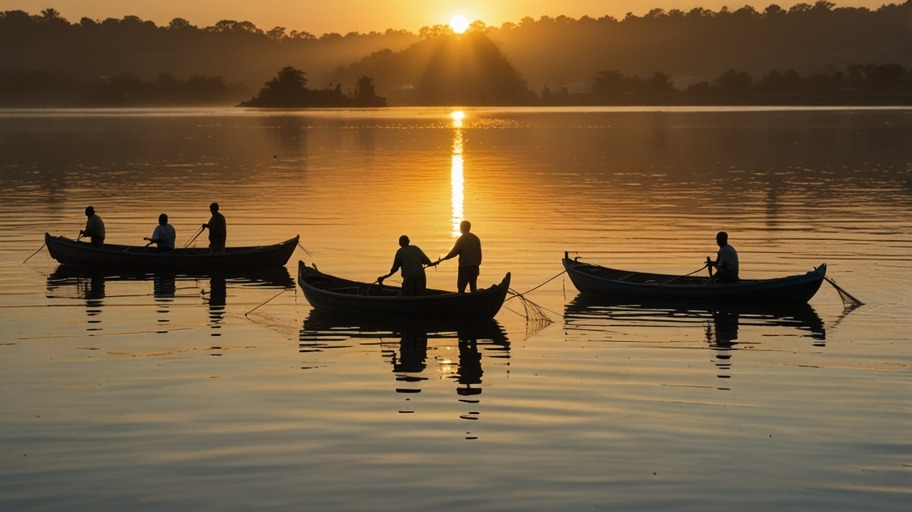
Artisanal fisheries, on the other hand, are focused on small-scale, sustainable fishing practices. This sector primarily targets species such as groupers, snappers, parrotfish, and octopus, which are consumed locally. Artisanal fishing is a crucial part of the Seychellois way of life, providing livelihoods for coastal communities and supplying fresh seafood to local markets and the tourism industry.
Artisanal fishers typically operate using traditional techniques such as line fishing, traps, and handline fishing. These methods have a relatively low environmental impact compared to industrial fishing practices. The government has encouraged the development of the artisanal sector by providing financial support, access to affordable fishing gear, and infrastructure development, such as ice plants and cold storage facilities.
Aquaculture
Recognizing the need to diversify its fisheries sector, Seychelles has also begun exploring the potential of aquaculture. In 2017, the government launched the Seychelles National Aquaculture Policy, which aims to promote the sustainable development of aquaculture as a complementary industry to capture fisheries. Aquaculture holds promise as a means of reducing the pressure on wild fish stocks while providing an alternative source of income for local communities.
Environmental Challenges Facing the Fisheries Industry
While Seychelles' fisheries industry is a cornerstone of its economy, it faces significant environmental challenges. Overfishing, climate change, and illegal, unreported, and unregulated (IUU) fishing pose major threats to the sustainability of marine resources. These challenges, if not addressed , could undermine the long-term viability of the industry and the country's ability to protect its unique marine ecosystem.
Overfishing
Overfishing is one of the most pressing issues facing Seychelles' fisheries industry. The demand for tuna, both locally and internationally, has led to concerns about the depletion of fish stocks. According to the Indian Ocean Tuna Commission (IOTC), yellowfin tuna stocks in the Indian Ocean are overfished, and conservation measures need to be strengthened to prevent further decline. If overfishing continues, it could have devastating consequences for the marine ecosystem and the livelihoods of those who depend on fisheries for their income.
To address overfishing, Seychelles has adopted a number of management measures. The government, through the SFA, has implemented strict fishing quotas and seasonal closures to allow fish stocks to recover. Additionally, the country is a member of international organizations such as the IOTC and the Food and Agriculture Organization (FAO), which work to promote sustainable fishing practices and prevent overfishing on a global scale.
Climate Change
Climate change is another major challenge that affects the Seychelles fisheries industry. The warming of the oceans and rising sea levels have far-reaching implications for marine ecosystems, particularly coral reefs, which serve as critical habitats for many fish species. Coral bleaching, caused by Elevated sea temperatures, has been a growing concern in Seychelles. Bleached corals are more susceptible to disease and mortality, which can lead to the collapse of reef ecosystems and a decline in fish populations.
In addition to coral bleaching, changing ocean currents and weather patterns associated with climate change can disrupt the migration and breeding patterns of fish species, making it harder for fishers to predict where and when to catch fish. These unpredictable conditions can reduce the overall productivity of the fisheries sector.
Illegal, Unreported, and Unregulated (IUU) Fishing
IUU fishing is a persistent problem in the Indian Ocean, and Seychelles is not immune to its effects. IUU fishing refers to fishing activities that occur outside the framework of legal regulations, often involving foreign vessels operating without permits in Seychelles' waters. These illegal activities not only deplete fish stocks but also undermine the efforts of local fishers who operate within the legal framework.
To combat IUU fishing, Seychelles has taken several steps, including increasing surveillance and monitoring of its EEZ through satellite tracking and aerial patrols. The country has also strengthened its legal framework, imposing stricter penalties for IUU fishing and collaborating with international partners to share information and coordinate enforcement efforts.
Efforts to ensure Sustainability
Recognizing the importance of balancing economic growth with environmental protection, Seychelles has implemented a range of initiatives aimed at promoting sustainable fisheries management and marine conservation. These efforts are essential for ensuring the long-term health of marine ecosystems and the continued prosperity of the fisheries industry .
Marine Protected Areas (MPAs)
One of the most significant initiatives undertaken by Seychelles is the creation of Marine Protected Areas (MPAs). In 2020, the government announced the designation of 30% of its EEZ, equivalent to around 410,000 square kilometers, as MPAs. These protected areas are divided into zones, with some designated for sustainable use, where limited fishing activities are allowed, and others designated as no-take zones, where all fishing is prohibited.
The establishment of MPAs is part of Seychelles' broader commitment to marine conservation, which was made possible through an innovative debt-for-nature swap. In 2016, Seychelles entered into an agreement with international environmental organizations, including The Nature Conservancy, to restructure a Portion of its national debt in exchange for commitments to protect its marine environment. The funds generated from the debt swap are used to support the management of MPAs and other conservation initiatives.
Sustainable Fishing Practices
In addition to the creation of MPAs, Seychelles has promoted the adoption of sustainable fishing practices across the industry. The government has encouraged fishers to use selective fishing gear that bycatch, the unintentional capture of non-target species. Bycatch is a major issue in industrial fishing, particularly in tuna fisheries, where species such as sharks, turtles, and seabirds are often caught unintentionally.
The SFA has also introduced measures to reduce the impact of fishing on vulnerable species, such as banning the use of certain types of fishing gear and implementing measures to protect spawning grounds. Furthermore, Seychelles is working to improve the traceability of its fish products to ensure that they are sourced sustainably. The country has partnered with international organizations to develop certification schemes, such as the Marine Stewardship Council (MSC) certification, which verifies that fish are caught in an environmentally sustainable manner.
Community Involvement and Education
Seychelles has recognized the importance of involving local communities in its efforts to protect marine resources. Coastal communities, particularly those involved in artisanal fishing, are often the first to experience the effects of overfishing and environmental degradation. To ensure the success of conservation initiatives, the government has engaged local fishers in the management of MPAs and the development of sustainable fishing practices.
Education and awareness campaigns have also been a key component of Seychelles' efforts to promote environmental stewardship. Schools, community groups, and non-governmental organizations (NGOs) have played a vital role in educating the public about the importance of protecting marine ecosystems and the need for sustainable fisheries management.
International Cooperation
Seychelles' efforts to protect its marine environment and ensure the sustainability of its fisheries are supported by international cooperation. The country is an active participant in regional and global initiatives aimed at promoting sustainable fisheries and combating IUU fishing. For example, Seychelles is a member of the Indian Ocean Commission (IOC), which works to promote cooperation among Indian Ocean countries on issues related to fisheries management and marine conservation.
Seychelles has also partnered with international organizations, such as the World Bank, the FAO, and the International Maritime Organization (IMO), to access technical assistance and funding for its fisheries sector. These partnerships have helped the country to implement best practices in fisheries management and strengthen its capacity to enforce regulations.
Conclusion
Seychelles' fisheries industry is a vital component of the country's economy and a crucial source of food security and livelihoods for its people. However, the industry faces significant challenges, including overfishing, climate change, and IUU fishing. To address these challenges, Seychelles has implemented a range of initiatives aimed at promoting sustainable fisheries management and protecting its marine environment. Through the creation of MPAs, the adoption of sustainable fishing practices, and international cooperation, Seychelles is working to strike a balance between economic growth and environmental protection. As the country continues to navigate these challenges, its commitment to sustainability will be essential for ensuring the long-term health of its fisheries industry and the preservation of its unique marine ecosystem.