The Impact of Global Inflation on Seychelles' Economy and Cost of Living
Global inflation, fueled by a myriad of factors such as post-pandemic recovery, supply chain disruptions, rising energy prices, and geopolitical tensions, has had far-reaching effects across economies worldwide. For smaller, import-dependent economies like Seychelles, the consequences of global inflation are even more pronounced. As a small island nation in the Indian Ocean with limited domestic production and heavy reliance on imported goods, services, and energy, Seychelles is particularly vulnerable to external economic shocks. This article delves into the causes of global inflation, examines how Seychelles has been affected, and explores the implications for its economy and the cost of living.
1. Understanding Global Inflation and Its Causes
Global inflation refers to the rise in prices of goods and services across the world, driven by both demand-pull and cost-push factors. In recent years, a combination of demand recovery following the COVID-19 pandemic and disruptions in supply chains has led to inflationary pressures. Furthermore, Russia's invasion of Ukraine in 2022 exacerbated energy price volatility, particularly in oil and gas markets. Other factors, such as increased shipping costs, the rising price of commodities like food and metals, and shortages in critical sectors such as semiconductors, have further added to global inflationary trends.
Central banks around the world, particularly in developed economies like the US Federal Reserve and the European Central Bank, have responded by raising interest rates to curb inflation. However, these monetary policy adjustments take time to filter through economies and often result in increased borrowing costs , slowing down economic activity. The ripple effects of these inflationary pressures are felt acutely in smaller nations like Seychelles, where the external environment largely dictates economic conditions.
2. Seychelles' Economic Landscape
Seychelles, an archipelago of 115 islands, has a small, open economy heavily dependent on tourism, fisheries, and financial services. Tourism is the primary driver of the economy, contributing to about 30% of GDP, and the industry supports a large portion of the population through employment and ancillary services. Given the country's small domestic production base, Seychelles imports most of its goods, including food, fuel, machinery, and construction materials. This dependence on imports makes Seychelles extremely susceptible to external price shocks.
The Seychelles rupee (SCR) is also vulnerable to exchange rate fluctuations, particularly against major currencies like the US dollar and the euro. The depreciation of the rupee in times of global economic uncertainty adds another layer of vulnerability, as it increases the cost of imports . Thus, when global inflation strikes, Seychelles often faces a double burden: rising import prices and a depreciating currency, both of which squeeze the domestic economy.
3. Impact on Inflation in Seychelles
Global inflation has inevitably translated into domestic inflation in Seychelles. According to data from the National Bureau of Statistics (NBS), Seychelles has experienced significant increases in consumer prices over the past few years. The Consumer Price Index (CPI) rose substantially, with key sectors such as food, energy, transportation, and housing being particularly affected. In 2022, the inflation rate in Seychelles hovered around 10%, much higher than historical norms.
a. Rising Food Prices
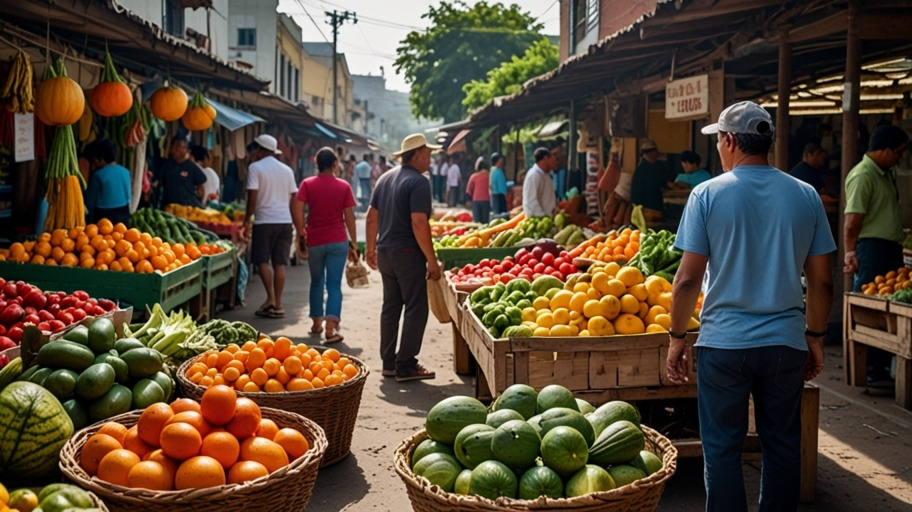
One of the most direct effects of global inflation in Seychelles has been the sharp rise in food prices. Since Seychelles imports nearly 90% of its food, global food inflation has been directly passed on to consumers. Disruptions in global food supply chains due to the pandemic, along with weather-related crop failures in key agricultural regions, have driven up the cost of staples such as rice, wheat, cooking oil, and meat. Moreover, the war in Ukraine disrupted global grain supplies, further exacerbating food price inflation.
As a result, the cost of basic foodstuffs in Seychelles has increased significantly, placing a greater burden on low- and middle-income households. The rise in food prices has eroded purchasing power, forcing many families to make difficult decisions about their spending priorities.
b. Energy and Fuel Costs
Global energy markets have been particularly volatile since the start of 2022, and Seychelles, which imports almost all its fuel, has felt the full brunt of rising oil prices. Fuel costs have a direct impact on electricity generation, transportation, and the cost of goods , given the role of fuel in shipping and logistics.
The Seychelles Public Utilities Corporation (PUC), which provides electricity, water, and sewerage services, has had to increase tariffs due to rising fuel costs. Higher utility bills, coupled with increased fuel prices for transportation, have contributed to a higher cost of living for both businesses and consumers.
Additionally, Seychelles' tourism industry, which relies on international air travel, has seen operational costs rise due to higher jet fuel prices. This has impacted the cost of holiday packages and may reduce tourist arrivals in the short term, further straining the economy.
c. Housing and Construction Costs
Global inflation has also affected the cost of construction materials, such as steel, cement, and timber, all of which are imported. The rise in construction costs has pushed up housing prices, making it more expensive for Seychellois to purchase homes or rent properties. The real estate market, which has already been under pressure due to limited land availability, now faces additional challenges as inflation pushes prices even higher.
The government of Seychelles has tried to alleviate some of the pressure on housing by implementing social housing programs and subsidies, but the scale of global inflation has made it difficult to fully shield the population from these rising costs.
4. Exchange Rate Volatility
Global inflation and the broader macroeconomic environment have contributed to exchange rate volatility, particularly affecting the Seychelles rupee. As inflation rises in major economies, investors tend to shift their capital to markets with higher interest rates, often strengthening currencies like the US dollar and the euro In turn, this has led to a depreciation of the rupee, making imports even more expensive for Seychelles.
In 2022, the rupee depreciated by around 8% against the US dollar, further amplifying inflationary pressures. For an import-dependent economy, this exchange rate dynamic compounds the impact of global inflation. As a result, Seychelles faces not only rising global prices but also higher import bills due to the weaker currency.
5. Impact on Tourism and Economic Growth
Seychelles' reliance on tourism makes its economy particularly sensitive to global economic conditions. Rising inflation in key source markets such as Europe and the United States may reduce the disposable income of potential tourism, leading to lower travel demand. In the short term, this could translate into fewer tourist arrivals, reduced spending in the local economy, and a slower pace of recovery for the tourism sector, which was already heavily impacted by the COVID-19 pandemic.
Additionally, the rising cost of international travel, driven by higher fuel prices, could deter some tourists from choosing Seychelles as a destination. Competing with other tourist destinations that may offer lower costs will become a challenge for Seychelles, potentially putting pressure on its foreign exchange earnings.
Despite these challenges, the tourism sector has shown resilience, particularly as the government has ramped up its efforts to attract tourists from new markets such as the Middle East and Asia. However, the long-term outlook remains uncertain, as much will depend on how global inflation trends evolve and whether Seychelles can maintain its appeal as a premium tourist destination.
6. Impact on the Cost of Living and Poverty
The rise in inflation has had a direct impact on the cost of living in Seychelles, which has already been relatively high compared to other countries in the region. The increase in prices of food, energy, transportation, and housing has disproportionately affected low-income households, which spend a larger share of their income on essentials. As inflation erodes purchasing power, the gap between rich and poor in Seychelles may widen, leading to greater inequality and social tension.
The government has implemented several measures to mitigate the impact of inflation on the most vulnerable. These include targeted subsidies for essential goods, increases in the minimum wage, and social welfare programs to support low-income families. However, these measures are often limited in scope and cannot fully counter the global forces driving inflation.
7. Government Response and Monetary Policy
The Central Bank of Seychelles (CBS) has played a critical role in managing inflationary pressures through its monetary policy. In response to rising inflation, the CBS has tightened its monetary policy by raising interest rates and managing liquidity in the banking system. These measures are aimed at curbing excessive demand and stabilizing the exchange rate. However, the effectiveness of monetary policy is limited in a small, open economy like Seychelles, where external factors largely determine inflation dynamics.
The government has also explored fiscal measures to address the cost-of-living crisis. This includes reducing import duties on certain essential goods, providing subsidies for food and fuel, and increasing social spending to support vulnerable households. However, such measures come with fiscal constraints, as Seychelles has a relatively high public debt level, partly due to borrowing to cope with the economic fallout of the pandemic.
8. Long-Term Implications and Policy Recommendations
The current inflationary pressures facing Seychelles highlight the vulnerability of small, import-dependent economies to global economic shocks. While the government has implemented short-term measures to address the immediate impact of rising prices, there is a need for longer-term strategies to build economic resilience.
Diversifying the Economy
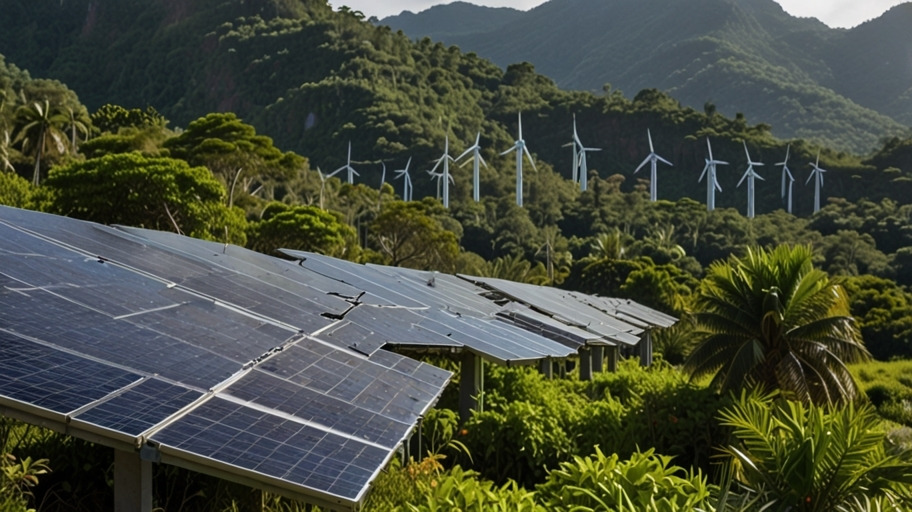
One of the key long-term solutions for Seychelles is to diversify its economy. Reducing dependence on imports and tourism can help insulate the economy from external shocks. For instance, developing the agricultural sector to increase domestic food production could reduce reliance on imported foodstuffs and help stabilize prices. Similarly, investing in renewable energy sources such as solar and wind could reduce the country's dependence on imported fuel and shield the economy from volatile global energy markets.
b. Enhancing Social Protection
Strengthening social safety nets is crucial in mitigating the impact of inflation on vulnerable populations. This could involve expanding access to affordable housing, improving healthcare services, and enhancing education and vocational training programs to improve income-earning opportunities for Seychellois citizens.
c. Strengthening Regional Cooperation
Seychelles could also benefit from strengthening regional cooperation with neighboring countries in the Indian Ocean and East Africa. Regional trade agreements and collaborations on food security, energy, and infrastructure development could help reduce the country's dependence on distant international markets and create more stable economic linkages.
Conclusion
Global inflation has had a profound impact on Seychelles' economy and cost of living. Rising prices for food, energy, transportation, and housing have placed significant pressure on households and businesses alike, while exchange rate volatility has compounded the effects of imported inflation. While the government has taken steps to mitigate these challenges, the path to long-term economic stability requires bold strategies to diversify the economy, strengthen social protection, and build resilience to external shocks. In the face of an increasingly volatile global economy, Seychelles must adapt to new realities while safeguarding the welfare of its population.