Seychelles' National Development Plan: Key Focus Areas for the Next Decade
Introduction
Seychelles, a small island nation in the Indian Ocean, has long been recognized for its unique biodiversity, stunning beaches, and vibrant marine ecosystem. Beyond its natural beauty, Seychelles has evolved into one of the most prosperous and stable economies in Africa. With a population of just under 100,000, the country has made significant strides in economic development and social well-being. However, like many other island nations, Seychelles faces various challenges, including climate change, resource limitations, and socio-economic disparities.
To address these challenges and chart a sustainable path forward, Seychelles has developed a National Development Plan (NDP) for the next decade. This plan aims to balance economic growth, environmental sustainability, and social equity. It outlines key focus areas that are essential for the country's long-term success. These areas include environmental conservation, economic diversification, infrastructure development, social inclusion, and governance reform. This article delves into each of these focus areas, examining the strategies Seychelles is employing to build a resilient and sustainable future.
1. Environmental Conservation and Climate Change Adaptation
1.1 Climate Resilience and Disaster Preparedness
One of the most pressing issues for Seychelles is climate change. As a low-lying island nation, Seychelles is particularly vulnerable to rising sea levels, increasing temperatures, and extreme weather events. The National Development Plan prioritizes climate resilience and disaster preparedness, aiming to protect the nation's natural and built environments from the adverse effects of climate change.
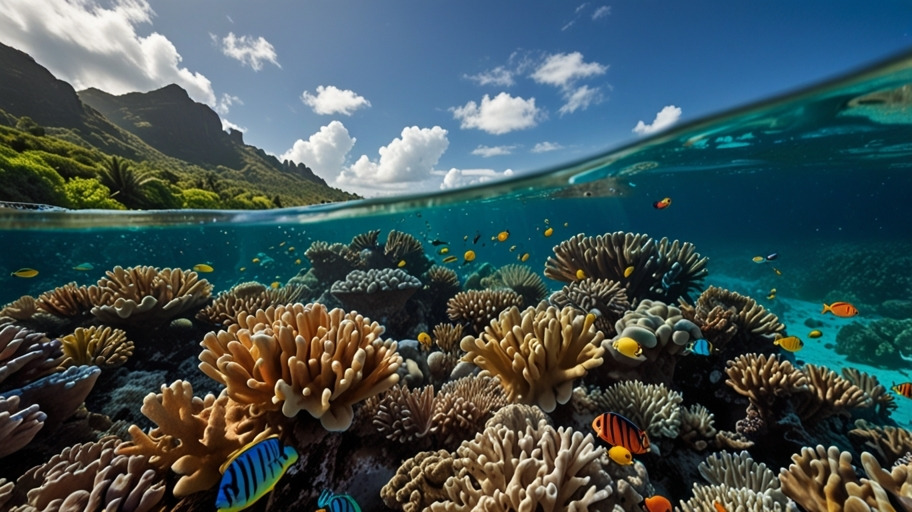
Seychelles has already made significant strides in this area. It was one of the first countries to implement a marine spatial plan, designing nearly 30% of its Exclusive Economic Zone (EEZ) as protected areas. Over the next decade, the government will continue to expand and strengthen its network of marine and terrestrial protected areas, aiming to enhance ecosystem resilience and safeguard biodiversity.
Moreover, the NDP includes strategies for enhancing disaster preparedness. This involves improving early warning systems, strengthening infrastructure to withstand extreme weather events, and developing policies to guide disaster risk reduction and response. These measures are crucial for minimizing the impacts of climate change on the economies, communities, and ecosystems.

1.2 Renewable Energy and Carbon Neutrality
Seychelles has set an ambitious goal of achieving carbon neutrality by 2050. To meet this target, the country is focusing on expanding its renewable energy capacity and reducing its reliance on fossil fuels. Currently, Seychelles depends heavily on imported oil for its energy needs, making it vulnerable to global price fluctuations and contributing to greenhouse gas emissions.
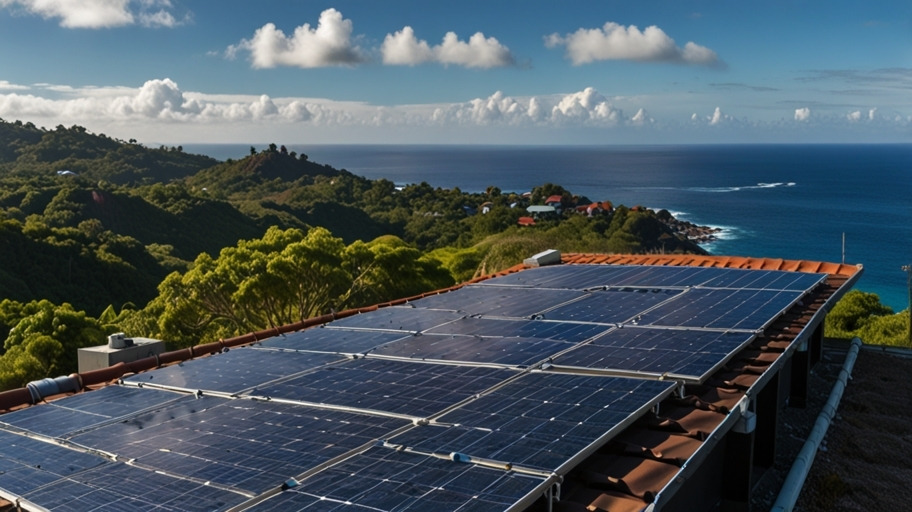
The government is investing in solar, wind, and ocean energy projects to diversify its energy mix and reduce carbon emissions. For example, the installation of solar photovoltaic (PV) systems on public buildings and homes is gaining momentum. Seychelles also plans to develop offshore wind farms and exploring the potential of ocean energy, leveraging its geographic location to harness clean energy from the sea.
In addition to expanding renewable energy production, the NDP emphasizes energy efficiency. The government is promoting the adoption of energy-efficient technologies in industries, homes, and public institutions. Policies aimed at encouraging energy-saving practices, such as building codes that mandate green architecture, are also part of the broader strategy to reduce the country's carbon footprint.
2. Economic Diversification and Innovation
2.1 Tourism: Sustainability and Diversification
Tourism is the backbone of Seychelles' economy, contributing over 25% of the GDP and providing employment for a significant portion of the population. However, the sector is highly susceptible to external shocks, such as global economic downturns, pandemics, and climate-related disruptions. The National Development Plan seeks to make tourism more resilient and sustainable by promoting diversification within the sector and reducing its environmental impact.
One of the strategies in the NDP is to diversify the tourist base by attracting visitors from emerging markets and encouraging niche tourism segments such as eco-tourism, cultural tourism, and wellness tourism. By promoting high-value, low-impact tourism, Seychelles aims to balance economic gains with the need to protect its fragile ecosystems.
Furthermore, the plan includes measures to improve the sustainability of the tourism industry. These include stricter environmental regulations for hotels and resorts, promoting the use of renewable energy in tourist facilities, and encouraging sustainable practices among tourists and tour operators. The development of sustainable tourism infrastructure, such as eco-lodges and nature reserves, is also a key component of this strategy.
2.2 Blue Economy Development
As an island nation, Seychelles has a vast maritime territory, which offers significant opportunities for economic development. The concept of the "Blue Economy" is central to the country's development strategy, with the aim utilizing of its marine resources in a sustainable and economically beneficial manner.
The Blue Economy encompasses sectors such as fisheries, aquaculture, marine biotechnology, and ocean-based renewable energy. The NDP outlines strategies for sustainable fisheries management, including the development of aquaculture as a means of reducing pressure on wild fish stocks. Additionally, Seychelles is investing in marine research and innovation to explore new opportunities in biotechnology, such as the development of pharmaceuticals and cosmetics derived from marine organisms.
Seychelles also plans to leverage its strategic location to become a hub for marine logistics and services. The expansion of port facilities and the development of marine-related industries, such as ship repair and maritime transport, are expected to create jobs and stimulate economic growth.
2.3 Strengthening the Private Sector
Another key focus area for economic diversification is strengthening the private sector. Seychelles' economy has traditionally been dominated by the public sector, but the government recognizes the importance of fostering a dynamic and innovative private sector to drive sustainable growth. The NDP emphasizes policies that promote entrepreneurship, improve access to finance for small and medium-sized enterprises (SMEs), and encourage foreign direct investment.
The government is also focused on improving the business environment by streamlining regulations, reducing bureaucratic red tape, and enhancing the efficiency of public services. These reforms are intended to make Seychelles more attractive to investors and stimulate the growth of industries such as technology, finance, and creative industries.
3. Infrastructure Development
3.1 Sustainable Transportation
Transportation infrastructure is critical for Seychelles' economic development and social well-being. The NDP includes plans for upgrading the country's transportation networks to improve connectivity, reduce congestion, and enhance sustainability. This includes investments in road infrastructure, public transport systems, and airport modernization .
A key priority is the development of sustainable transportation options. The government is promoting the adoption of electric vehicles (EVs) and plans to expand the charging infrastructure for EVs across the islands. In addition, Seychelles is exploring the potential for electric ferries to reduce emissions from marine transport, which is a major contributor to the country's carbon footprint.
3.2 Water and Waste Management
Seychelles faces significant challenges related to water security and waste management, which are exacerbated by population growth, urbanization, and climate change. The NDP outlines strategies for improving water supply infrastructure, including the construction of new reservoirs, the expansion of desalination plants, and the promotion of rainwater harvesting.
Waste management is another critical issue. The government is implementing measures to waste reduce generation, promote recycling, and improve waste disposal infrastructure. The NDP includes plans for the construction of modern waste treatment facilities and the development of policies to encourage waste reduction and recycling, both at the household and industrial levels.
4. Social Inclusion and Human Capital Development
4.1 Education and Skills Development
Investing in human capital is essential for the long-term development of Seychelles. The NDP prioritizes education and skills development to ensure that the population has the knowledge and capabilities needed to thrive in a rapidly changing world. The government is focused on improving the quality of education at all levels, from primary education to tertiary institutions.
A key area of focus is technical and vocational education and training (TVET), which is critical for equipping young people with the skills needed in sectors such as tourism, construction, and technology. The NDP emphasizes the need to align education and training programs with the demands of the labor market to reduce unemployment and underemployment, particularly among youth.
4.2 Healthcare and Social Protection
Seychelles has made impressive progress in healthcare, achieving universal healthcare coverage and high life expectancy. However, the country faces emerging challenges related to non-communicable diseases (NCDs), mental health, and an aging population. The NDP outlines strategies for strengthening the healthcare system, including improving healthcare infrastructure, expanding access to specialized services, and promoting preventive healthcare.
Social protection is another key priority. The government is committed to reducing poverty and inequality by expanding social safety nets and implementing policies that promote inclusive growth. This includes initiatives to support vulnerable groups, such as the elderly, people with disabilities, and low-income families.
5. Governance and Institutional Reforms
5.1 Strengthening Public Institutions
Good governance is essential for the effective implementation of the National Development Plan. Seychelles is committed to strengthening its public institutions to ensure transparency, accountability, and efficiency. The NDP emphasizes the need for public sector reforms, including improving the capacity of civil servants, modernizing public administration, and enhancing service delivery.
5.2 Digital Transformation
Digital transformation is another key focus area for governance reform. The government aims to harness the potential of digital technologies to improve public economic services, enhance citizen engagement, and drive growth. This includes the expansion of e-government services, improving internet connectivity across the islands, and promoting digital literacy among the population.
The NDP also recognizes the importance of cybersecurity and data protection in an increasingly digital world. Seychelles plans to strengthen its cybersecurity infrastructure and develop policies to safeguard personal data and protect against cyber threats.
Conclusion
Seychelles' National Development Plan for the next decade is a comprehensive roadmap that addresses the country's most pressing challenges while seizing opportunities for sustainable growth. The plan's focus on environmental conservation, economic diversification, infrastructure development, social inclusion, and governance reform a balanced approach to development. By prioritizing sustainability and resilience, Seychelles is positioning itself to achieve long-term prosperity while protecting its unique natural environment and improving the quality of life for its citizens.
Through continued investment in renewable energy, climate resilience, and the Blue Economy, Seychelles aims to lead by example in promoting sustainable development. At the same time, efforts to diversify the economy, enhance social inclusion, and modernize infrastructure will ensure that the country remains competitive in a rapidly changing global landscape. The success of this plan will depend on strong governance, effective implementation, and the active participation of all stakeholders, from government and businesses to communities and individuals.