Seychelles' Biodiversity Conservation: Achievements and Future Challenges
Seychelles, a tropical archipelago in the Indian Ocean, is famous for its stunning beaches, crystal-clear waters, and unique flora and fauna. It is often considered a biodiversity hotspot due to its high number of endemic species and rich ecosystems, ranging from coral reefs and seagrass meadows to tropical forests. However, the natural beauty of Seychelles has not come without challenges. Over the years, this paradise has been at the forefront of biodiversity conservation efforts. As a small island nation, Seychelles faces unique environmental vulnerabilities, which are exacerbated by global climate change. Despite these challenges, Seychelles has achieved remarkable progress in conserving its biodiversity. This article explores the achievements of Seychelles in biodiversity conservation and the future challenges that it faces in ensuring the sustainability of its ecosystems.
Biodiversity of Seychelles
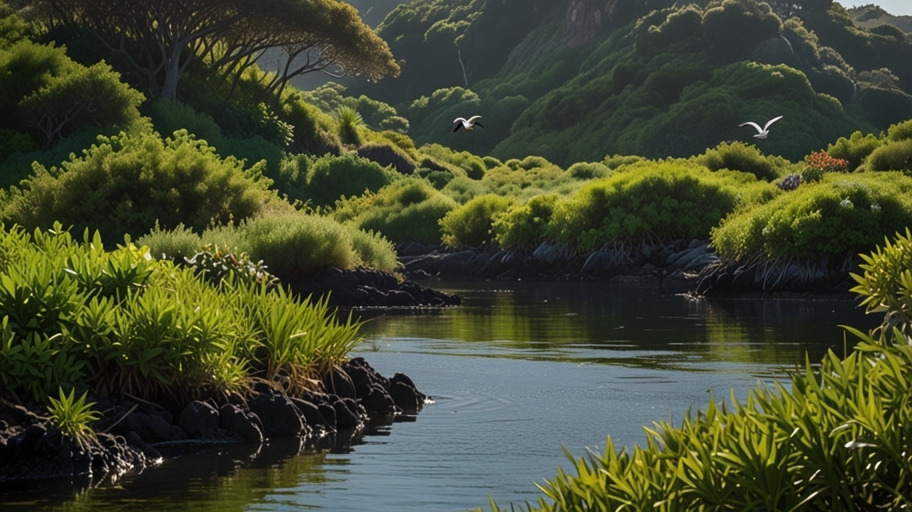
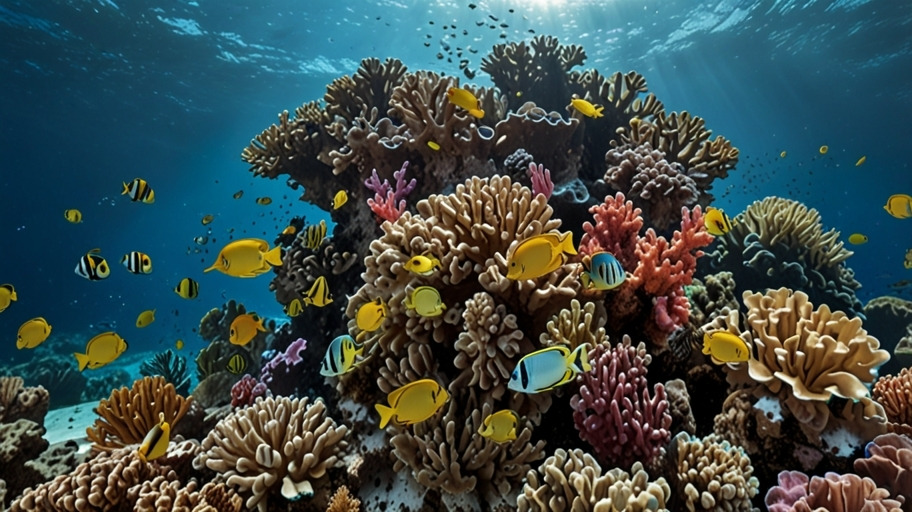
Seychelles consists of 115 islands, including both granitic and coral islands. The country boasts a diverse range of ecosystems, including coral reefs, mangroves, wetlands, and tropical forests. Seychelles is home to numerous endemic species, such as the Seychelles warbler, the Seychelles magpie-robin, and the coco de mer palm, which produces the largest seed in the plant kingdom. The Aldabra Atoll, a UNESCO World Heritage site, is home to the world's largest population of giant tortoises and is a critical habitat for many other species Seychelles' coral reefs are also home to an array of marine species, from brightly colored fish to majestic whale sharks.
The country's biodiversity is crucial not only for its environmental health but also for its economy. Tourism, a major sector in Seychelles, relies heavily on the pristine condition of its ecosystems. In addition, fisheries, another key economic driver, depend on healthy marine ecosystems .
Achievements in Biodiversity Conservation
Seychelles' efforts in biodiversity conservation are globally recognized. The country has made significant strides in protecting its natural resources and ensuring the sustainability of its ecosystems.
1.Establishment of Protected Areas
One of Seychelles' most notable achievements in biodiversity conservation is the establishment of protected areas. Today, approximately 50% of Seychelles' land area is designated as protected, making it one of the most environmentally conscious nations in the world. This includes national parks, nature reserves, and marine protected areas. The Seychelles National Parks Authority, established in 2009, manages the country's protected areas, ensuring that conservation efforts are maintained.
Marine protected areas (MPAs) have been particularly important in preserving the country's rich marine biodiversity. In 2018, Seychelles achieved a significant milestone by designating 30% of its economic exclusive zone (EEZ) as marine protected areas. This commitment was made as part of a groundbreaking debt-for-nature swap with The Nature Conservancy, under which Seychelles agreed to manage a portion of its debt in exchange for conservation commitments. This has not only contributed to the protection of marine ecosystems but has also set a precedent for other islands nations.
2. Restoration of Degraded Ecosystems
Seychelles has also been at the forefront of ecological restoration. Several islands in Seychelles, including Cousin, Denis, and Aride, have undergone significant habitat restoration efforts to remove invasive species and rehabilitate ecosystems. One of the most successful examples of ecosystem restoration in Seychelles is the island of Cousin. In the 1960s, the island was heavily degraded due to agricultural practices, but since being purchased by BirdLife International in 1968, extensive conservation efforts have turned Cousin into a thriving sanctuary for seabirds and other wildlife.
Another success story is the restoration of the Seychelles magpie-robin, which was once on the brink of extinction with only 16 individuals remaining in the wild in the 1990s. Through intensive conservation efforts, including habitat restoration, predator control, and translocation, the population has recovered to over 200 individuals, earning global recognition for the species' recovery.
3. Eradication of Invasive Species
Invasive species pose one of the greatest threats to island biodiversity, and Seychelles has made significant progress in addressing this issue. Many of the islands have been severely impacted by invasive species, such as rats, cats, and certain plant species. These invasive species often outcompete or prey on native species, leading to ecosystem imbalances and biodiversity loss.
Seychelles has successfully eradicated invasive species on several islands, allowing native species to recover. For instance, the eradication of rats on islands like Cousin and Aride has led to a resurgence of seabird populations. Similarly, efforts to remove invasive plants have helped restore native plant communities, providing critical habitat for wildlife.
4. Community Engagement and Environmental Education
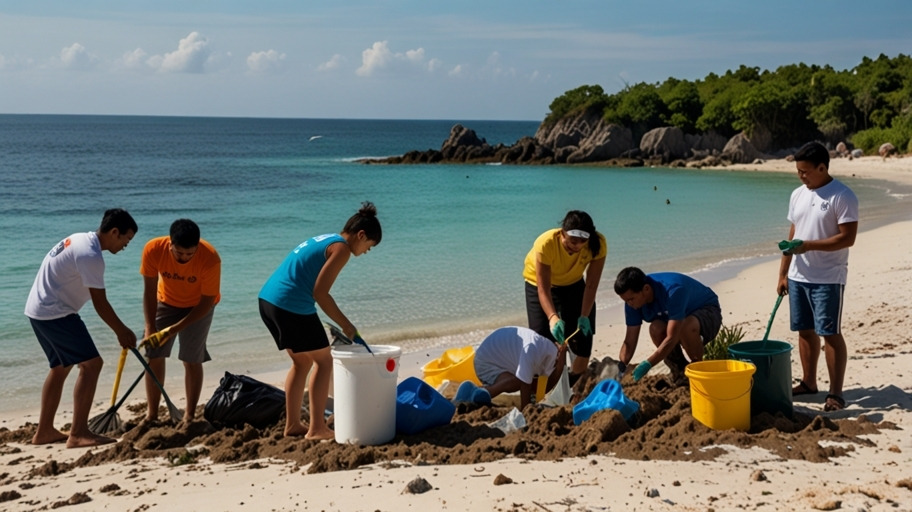
Another key achievement in Seychelles' biodiversity efforts conservation is the involvement of local communities. Conservation in Seychelles is not just the responsibility of the government and non-governmental organizations (NGOs) but also of local communities, who play an active role in protecting their environment . Various community-based organizations have been involved in conservation initiatives, including habitat restoration, species monitoring, and sustainable resource management.
Environmental education has also been a priority in Seychelles. The country's environmental education programs aim to raise awareness among the younger generation about the importance of biodiversity and the need for conservation. Through school programs, field trips, and conservation activities, children are taught to appreciate their natural heritage and to become future stewards of the environment.
Challenges Facing Seychelles' Biodiversity Conservation
While Seychelles has made impressive progress in conserving its biodiversity, the country still faces significant challenges. Many of these challenges are exacerbated by external factors, such as climate change, which threatens to undo much of the progress made in recent decades.
1. Climate Change
Climate change is arguably the most significant threat to Seychelles' biodiversity. Rising sea levels, ocean acidification, and increased temperatures pose a serious risk to marine ecosystems, particularly coral reefs. Seychelles' coral reefs, which provide critical habitat for marine species and protect coastal areas from erosion, have already experienced severe bleaching events in recent years. The 1998 and 2016 coral bleaching events caused widespread damage to coral reefs in Seychelles, reducing coral cover and impacting marine biodiversity.
Rising sea levels also threaten coastal ecosystems, including mangroves and wetlands. These ecosystems are vital for biodiversity, as they provide breeding grounds for fish and other wildlife, and they serve as natural buffers against storms and coastal erosion. As sea levels rise, these ecosystems face the risk of being submerged, which could lead to significant habitat loss.
Furthermore, climate change is likely to increase the frequency and intensity of extreme weather events, such as cyclones and storms. These events can cause significant damage to ecosystems
and further disrupt biodiversity. For example, the destruction of coastal habitats and forests by storms can reduce the availability of nesting sites for seabirds and impact species that are already vulnerable.
The impacts of climate change also extend to terrestrial ecosystems. Changing rainfall patterns and rising temperatures can alter the distribution of species and ecosystems, making some areas less suitable for certain species to thrive. Endemic species that are highly adapted to specific conditions in Seychelles are particularly vulnerable, as they may not have the capacity to adapt to rapid environmental changes.
2. Overfishing and Marine Resource Exploitation
Despite the establishment of marine protected areas, overfishing and unsustainable fishing practices continue to pose a significant threat to Seychelles' marine biodiversity. The country's economy relies heavily on fisheries, both for domestic consumption and export. However, overexploitation of fish stocks can lead to declines in fish populations, which in turn can disrupt marine ecosystems and reduce the availability of food for other species, such as seabirds and marine mammals.
Illegal, unreported, and unregulated (IUU) fishing also remains a challenge. This type of fishing can have devastating effects on marine ecosystems, as it often involves practices that are harmful to marine life, such as the use of destructive fishing gear or the targeting of vulnerable species. Ensuring effective enforcement of fishing regulations within Seychelles' vast exclusive economic zone is a complex task, requiring greater resources and international cooperation.
Efforts to promote sustainable fishing practices are ongoing, but balancing the needs of the fishing industry with the conservation of marine ecosystems remains a delicate challenge. Continued investment in monitoring, regulation, and community-based fisheries management will be essential to prevent overexploitation of marine resources .
3. Invasive Species Management
While Seychelles has made progress in eradicating invasive species from several islands, the management of invasive species remains an ongoing challenge. Islands are particularly vulnerable to invasive species because of their isolated nature and the lack of natural predators for many non-native species. Invasive plants , animals, and pathogens can easily disrupt delicate island ecosystems, leading to the decline or extinction of native species.
Eradication efforts are often costly and labor-intensive, and they require ongoing monitoring to ensure that invasive species do not re-establish themselves. For example, while rats and feral cats have been removed from some islands, they continue to pose a threat on other islands, where eradication may be more challenging due to the larger size or more complex terrain of the islands.
Moreover, the risk of new invasive species being introduced through increased tourism, trade, and transportation is ever-present. Seychelles needs to strengthen biosecurity measures to prevent the introduction of invasive species, particularly as international travel and shipping continue to grow. This requires vigilance at ports of entry and strong partnerships with other countries to prevent the spread of invasive species.
4. Development Pressures and Habitat Loss
As Seychelles continues to develop economically, there is increasing pressure on natural habitats due to infrastructure development, tourism expansion, and land use changes. Coastal areas, in particular, are at risk of being developed for resorts, hotels, and other tourism-related infrastructure This development can lead to habitat fragmentation, which negatively impacts biodiversity by reducing the availability of contiguous habitats for wildlife.
Urbanization and agricultural expansion also threaten terrestrial ecosystems, particularly on the larger granitic islands where human populations are concentrated. The conversion of forests and wetlands into agricultural or residential areas can result in the loss of critical habitats for many species, including some that are endemic to Seychelles.
The challenge for Seychelles is to strike a balance between economic development and conservation. The tourism industry, which is a key driver of the economy, depends on the natural beauty and biodiversity of the islands. Therefore, ensuring that development is sustainable and does not degrade the very ecosystems that attract tourists is essential. Efforts to promote eco-friendly tourism and implement sustainable land-use planning are critical for mitigating the negative impacts of development on biodiversity.
5. Limited Financial and Technical Resources
As a small island nation, Seychelles faces significant challenges in accessing the financial and technical resources needed for large-scale conservation efforts. Many conservation initiatives, such as ecosystem restoration, invasive species eradication, and climate adaptation, require substantial funding and expertise. While Seychelles has received international support through partnerships and grants, the long-term sustainability of these efforts depends on continued financial and technical assistance.
Building local capacity for conservation management is also a challenge. There is a need for more trained professionals in fields such as ecology, environmental science, and natural resource management to lead conservation efforts. Strengthening education and training programs, as well as creating opportunities for local researchers and conservationists, will be important for ensuring the long-term success of biodiversity conservation initiatives.
Future Strategies and Solutions
To address these challenges, Seychelles will need to implement a range of strategies aimed at enhancing its biodiversity conservation efforts and ensuring the resilience of its ecosystems in the face of future pressures.
1. Strengthening Climate Adaptation Efforts
Given the growing threat of climate change, Seychelles must prioritize climate adaptation strategies to protect its biodiversity. This includes restoring and protecting critical ecosystems, such as mangroves, coral reefs, and seagrass meadows, which can act as natural buffers against the impacts of climate change Coral reef restoration projects, for example, can help to enhance the resilience of coral ecosystems to bleaching events, while mangrove restoration can protect coastlines from erosion and provide habitat for marine species.
In addition, Seychelles should continue to participate in international climate change negotiations and advocate for stronger global action to reduce greenhouse gas emissions. As a small island nation, Seychelles is highly vulnerable to the impacts of climate change, and global cooperation will be essential to mitigate the long-term effects on its biodiversity.
2. Enhancing Marine Conservation and Sustainable Fisheries Management
To ensure the sustainability of its marine ecosystems, Seychelles must continue to expand and strengthen its marine protected areas and improve the management of its fisheries. This includes enhancing enforcement of fishing regulations to prevent overfishing and illegal fishing, as well as promoting community-based fisheries management practices that involve local fishers in conservation efforts.
The use of technology, such as satellite monitoring and data collection, can also help improve the management of marine resources. For instance, satellite technology can be used to monitor fishing activity in real-time, allowing authorities to detect and respond to illegal fishing activities more effectively.
3. Expanding Invasive Species Eradication and Biosecurity Measures
Invasive species management will remain a priority for Seychelles in the coming years. Expanding eradication efforts to more islands and improving biosecurity measures at ports of entry will be essential for preventing the introduction of new invasive species. Collaboration with international partners can provide the technical expertise and funding needed for large-scale eradication projects.
Public awareness campaigns and community involvement in invasive species management are also crucial. By educating local communities and visitors about the risks of invasive species and encouraging responsible behavior, Seychelles can reduce the likelihood of invasive species being introduced or spread.
4. Promoting Sustainable Tourism and Development
Seychelles can continue to develop its tourism sector in a way that minimizes environmental impact by promoting eco-tourism and ensuring that tourism infrastructure is designed with sustainability in mind. The country can benefit from implementing strict environmental regulations for tourism development, encouraging the use of renewables energy, and reducing waste and pollution.
Integrating biodiversity conservation into national development planning is also important for ensuring that economic growth does not come at the expense of the environment. Sustainable land-use planning, combined with environmental impact assessments, can help guide development in a way that minimizes habitat loss and fragmentation .
Conclusion
Seychelles has made remarkable achievements in biodiversity conservation, establishing itself as a global leader in protecting its unique ecosystems. Through the creation of protected areas, successful ecosystem restoration efforts, and strong community engagement, Seychelles has set a positive example for other island nations facing similar environmental challenges.
However, the road ahead is not without difficulties. Climate change, invasive species, overfishing, and development pressures present ongoing threats to Seychelles' biodiversity. To overcome these challenges, Seychelles must continue to innovate and adapt its conservation strategies, while securing the financial and technical resources necessary for long-term sustainability. With a continued commitment to conservation and collaboration with international partners, Seychelles can ensure that its rich biodiversity is protected for generations to come.